

The Overland Mail Runners of Viti Levu
Long before the hum of engines and the ping of digital messages, Fiji’s highlands echoed with the steady footsteps of the overland mail runners—unsung heroes of communication in colonial Viti Levu.
In the late 1800s and early 1900s, when Fiji’s capital moved from Levuka to Suva, a vital lifeline was forged through the rugged interior of the island. This was the Tualeita trail, a spiritual and physical pathway that wound through the Colo regions, connecting remote villages to the outside world.
These mail runners, often native constables, braved steep ridges, dense forests, and unpredictable weather. Their mission was simple yet profound: deliver letters, newspapers, and parcels—no matter the cost. Hurricanes, floods, or darkness never deterred them. They were the living arteries of a growing nation.
One of the most notable figures of this era was Adolph Brewster, the Resident Commissioner of Colo North. Stationed in Vunidawa in 1884, Brewster relied on a weekly mail run from Naduruloulou, a hub in daily contact with Suva.
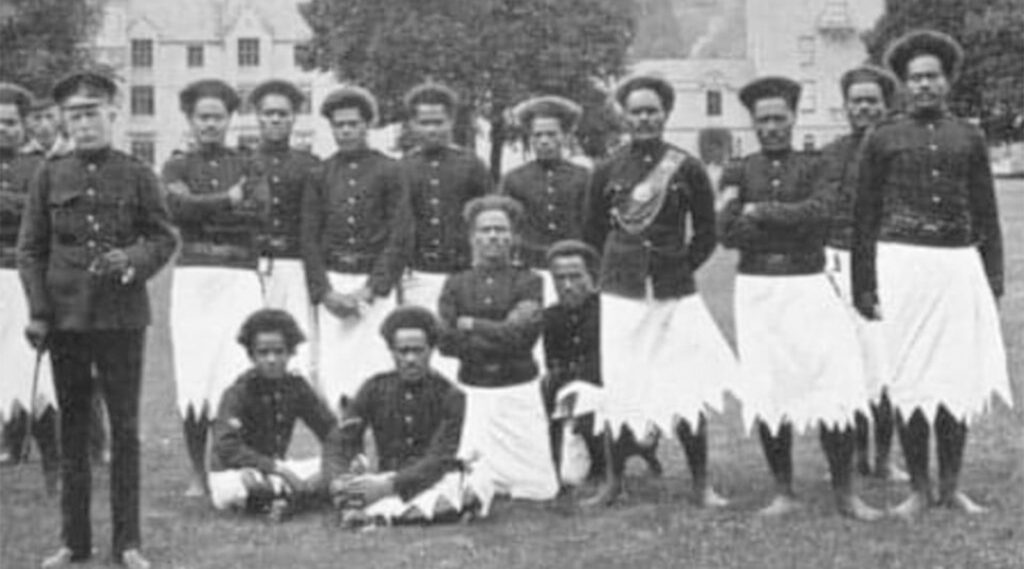
Adolph Brewster (left) with his detachment of the Armed Native Constabulary on their visit to Balmoral in 1902. Picture: TORBAYWEEKLY.CO.UK/COURTESY OF TORQUAY MUSEUM
He often recalled being awakened at night by the arrival of a lone constable, soaked from the rain, clutching letters that connected him to the world beyond the mountains.
The mail didn’t just serve colonial officials. Planters in Ba and Rakiraki, as well as fellow administrators like Basil Thomson—a future head of Scotland Yard—depended on this service. Thomson, feeling isolated, once arranged for his mail to be routed through Brewster’s network, highlighting the trust and efficiency of the system.
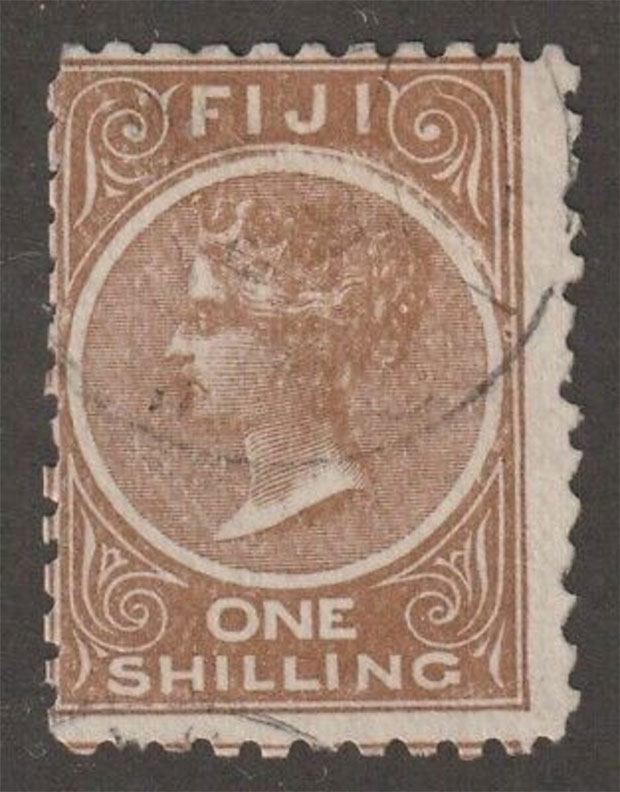
The early postal stamps featuring Queen Victoria are among the most iconic and historically significant in philately. Introduced in the mid-19th century, these stamps often portrayed a regal side profile of the young queen, symbolizing the authority and reach of the British Empire. The most famous of these is the Penny Black, issued in 1840, which was the world’s first adhesive postage stamp. Stamps from British colonies, including Fiji, also bore her image—typically framed in ornate borders with inscriptions like “Postage” and the colony’s name. These stamps not only served a practical purpose but also reinforced imperial identity, with Queen Victoria’s likeness becoming a familiar symbol across continents. Collectors value them today for their craftsmanship, rarity, and the glimpse they offer into the communication networks of a bygone era.
From a Tour Guide's Perspective
By: Kaminieli Tuiwasa

As we journey through the breathtaking Sabeto Valley on this safari, you're not just exploring Fiji’s natural beauty—you’re retracing the footsteps of the legendary overland mail runners who once braved these rugged trails to deliver messages across Viti Levu. This very path, now part of our shore excursion, was a lifeline in the late 1800s, connecting remote highland villages to the outside world through the dedication of native constables who walked for days through dense forests and steep ridges. Their resilience and commitment helped shape the communication network of early colonial Fiji. Today, as you travel this historic route, you’re stepping into a living story—one of endurance, connection, and cultural pride that continues to echo through the mountains of Sabeto.